Speaking & organizational consulting
Hospitality design, international design festivals, and clinical ADHD conferences are all arriving at the same question right now, from very different directions: how does a space actually affect the people inside it? Rachel Jackson has been working on that question for over twenty years.
Check availability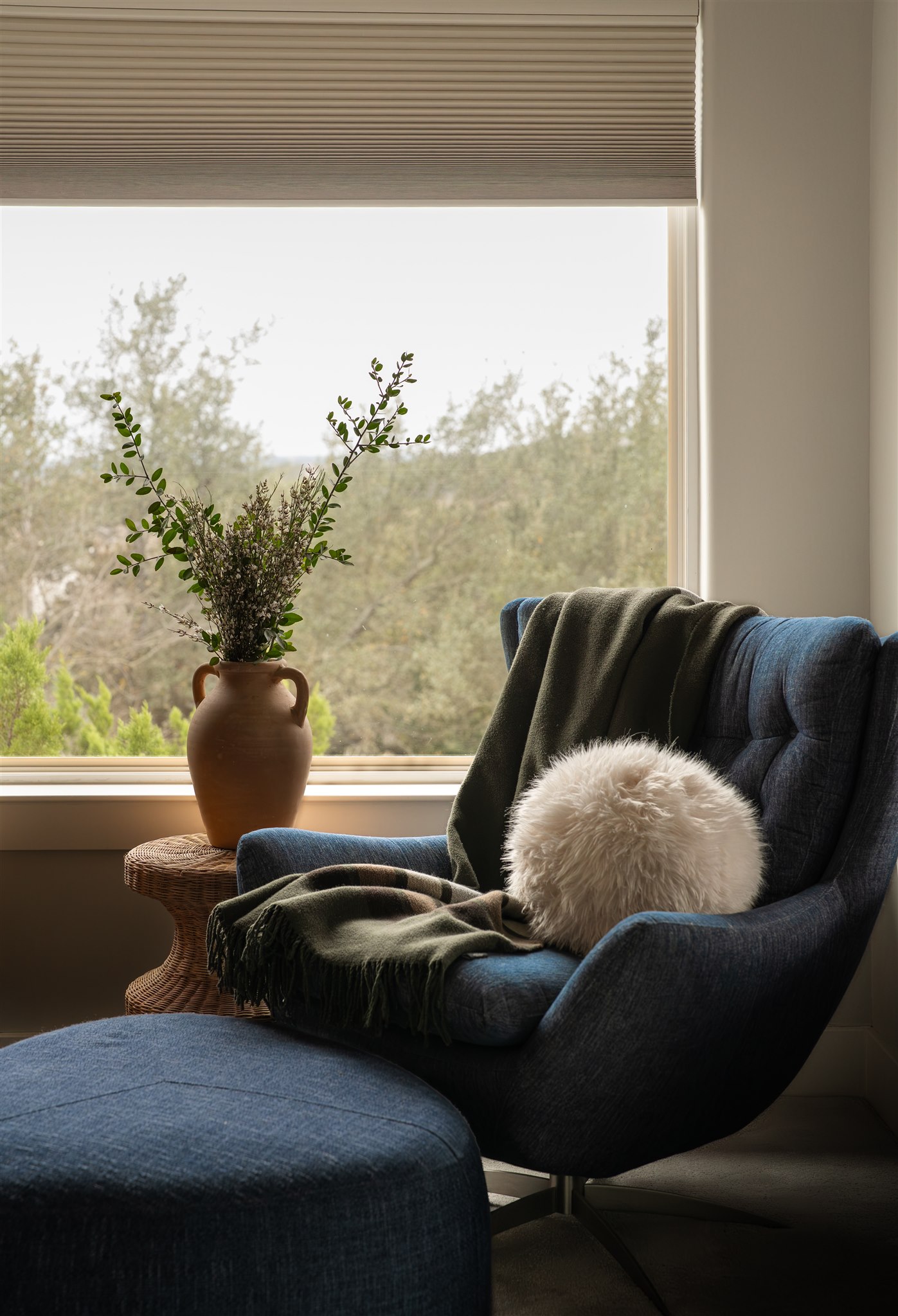
Rachel Jackson · IDCEC certified · Austin, Texas
Same idea, landing in every room that shapes how people feel.
Rachel Jackson
 Designing for Different Minds: The Future of Neuroinclusive Hospitality
 Your Home Is Dysregulating You: A Sensory-Friendly Design Workshop
Featured in & speaking at


What a session looks like
In Las Vegas that meant hotel lighting and acoustics for a hospitality audience. In London it's a workshop that walks a room through auditing glare, echo, and visual clutter in spaces they already manage. In Baltimore it's a sensory home audit for people living with ADHD.
Audiences that include both hypersensitive and sensory-seeking people tend to be surprised that a session covers both. Whatever the format, people leave with specific changes they can make.
Rachel holds IDCEC certification, trained through the Institute for Challenging Disorganization, and has taught this approach to designers in twenty-two countries.
For your audience
Most people have felt a room working against them without being able to say why. Naming it is the part that sticks.
Lighting temperature, where people sit, what the surfaces are doing to sound. Things a facilities or ops team can act on.
Most guidance assumes everyone needs less input. A good number of people need more, and a space tuned only for quiet leaves them restless.
When the session runs as an IDCEC-certified CEU, your attendees leave with credit as well as the material.
Where the method comes from
Talks
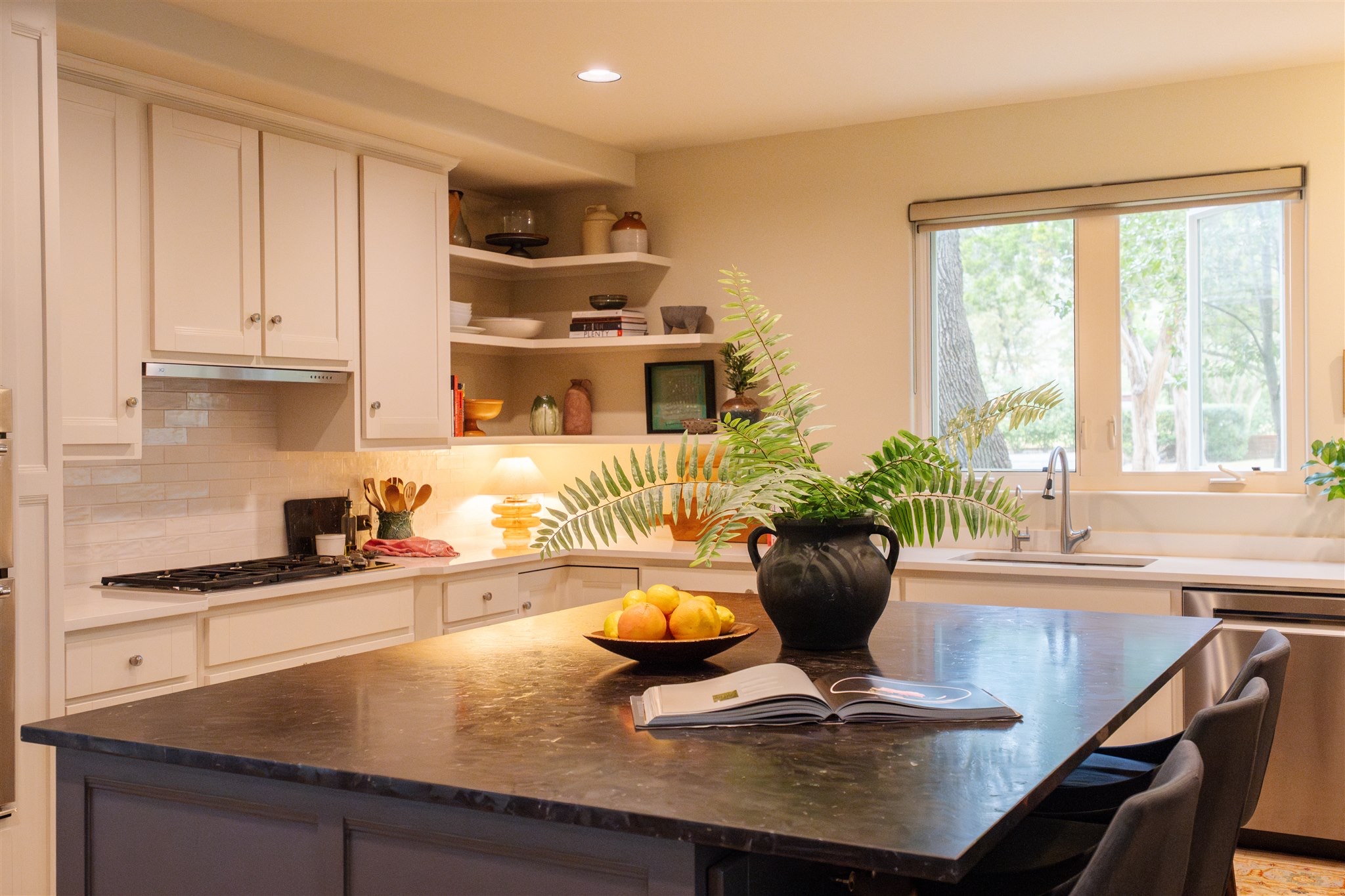
For organizations designing the spaces their teams and clients spend real time in.
For leadership, HR, and facilities teams moving past a single designated room.
For architects, clinicians, and educators who want the evidence behind the practice.
Practical tools for classrooms, offices, and public spaces, without a renovation budget.
For parent groups, schools, and community organizations.
For family-facing conferences and support networks.
A general-audience introduction that works for mixed rooms.
Rachel regularly shapes a session around a specific brief. Tell us the audience and the room and she'll come back with a proposal.
Formats
Who Rachel works with
What people say
“There are a lot of things that say ‘sensory friendly’ and usually lend towards hypersensitivity but I am blown away that you are already addressing design differences for those who desire more sensory input too. Thank you, thank you, thank you!!”
CS · ADHD Coach and Neurodiverse Mom
Rachel's work on neuroinclusive design was featured in Good Housekeeping, May and June 2026, with two projects in print. Read the feature
Check availability
Send the details and we'll come back with formats, dates, and pricing. If you're still shaping the programme, Rachel is happy to talk through what would land best with your audience before anything is fixed.
The form asks for your name and email, the event date and location, the type of event, and anything else you'd like to add.